Dubai Marina, with its stunning skyline and luxurious lifestyle, attracts countless visitors each year. Among the many activities available, the dhow cruise stands out as a unique way to experience the area’s beauty while enjoying traditional cuisine and entertainment. However, this seemingly idyllic pastime carries significant environmental implications that deserve careful consideration.
Cruise tourism is often celebrated for its contribution to local economies, but it can also pose a threat to marine ecosystems and urban environments. As we navigate through the layers of impact created by these cruises in Dubai Marina, it becomes increasingly clear that awareness and action are essential for sustainable enjoyment of this popular activity.
The Allure of Dhow Cruises
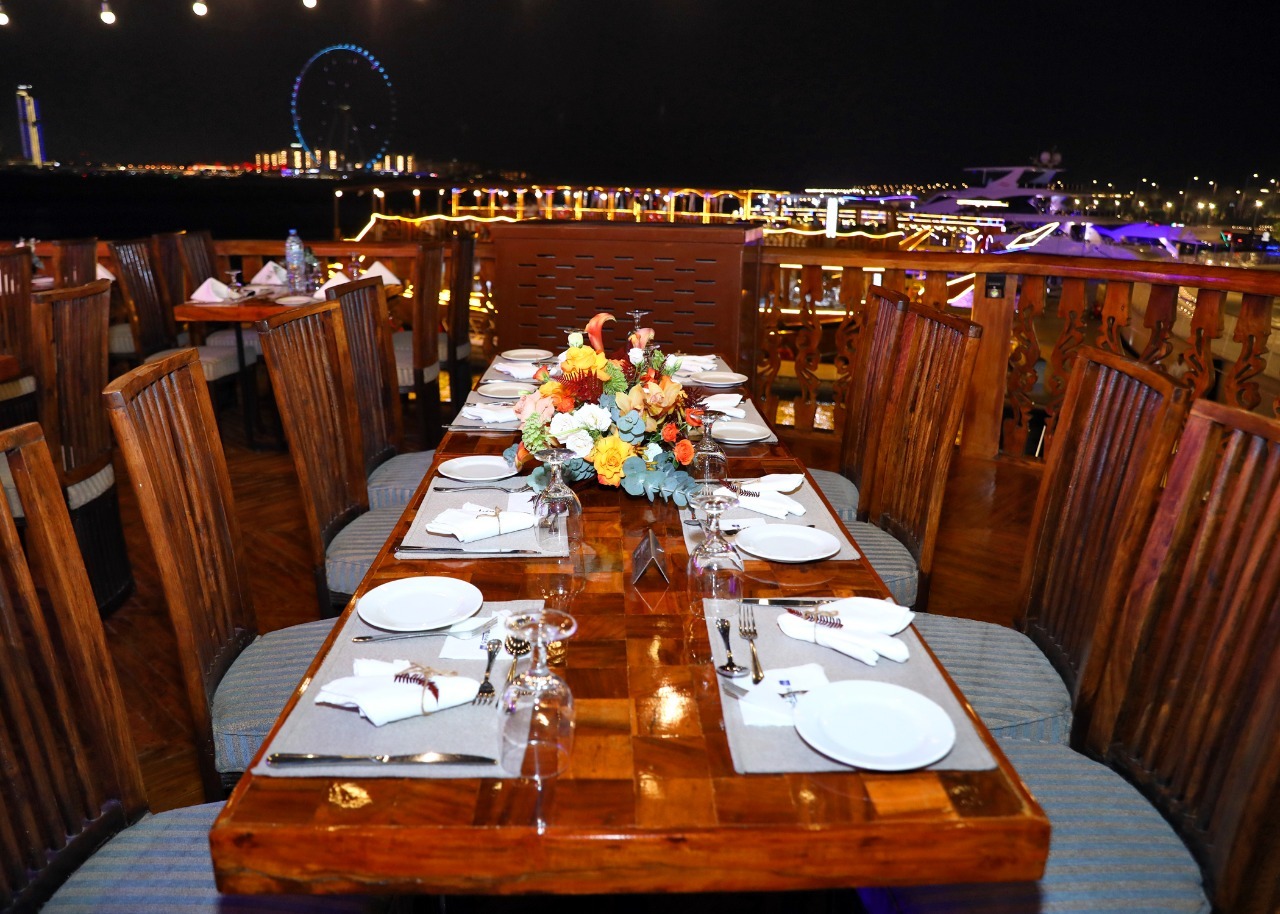
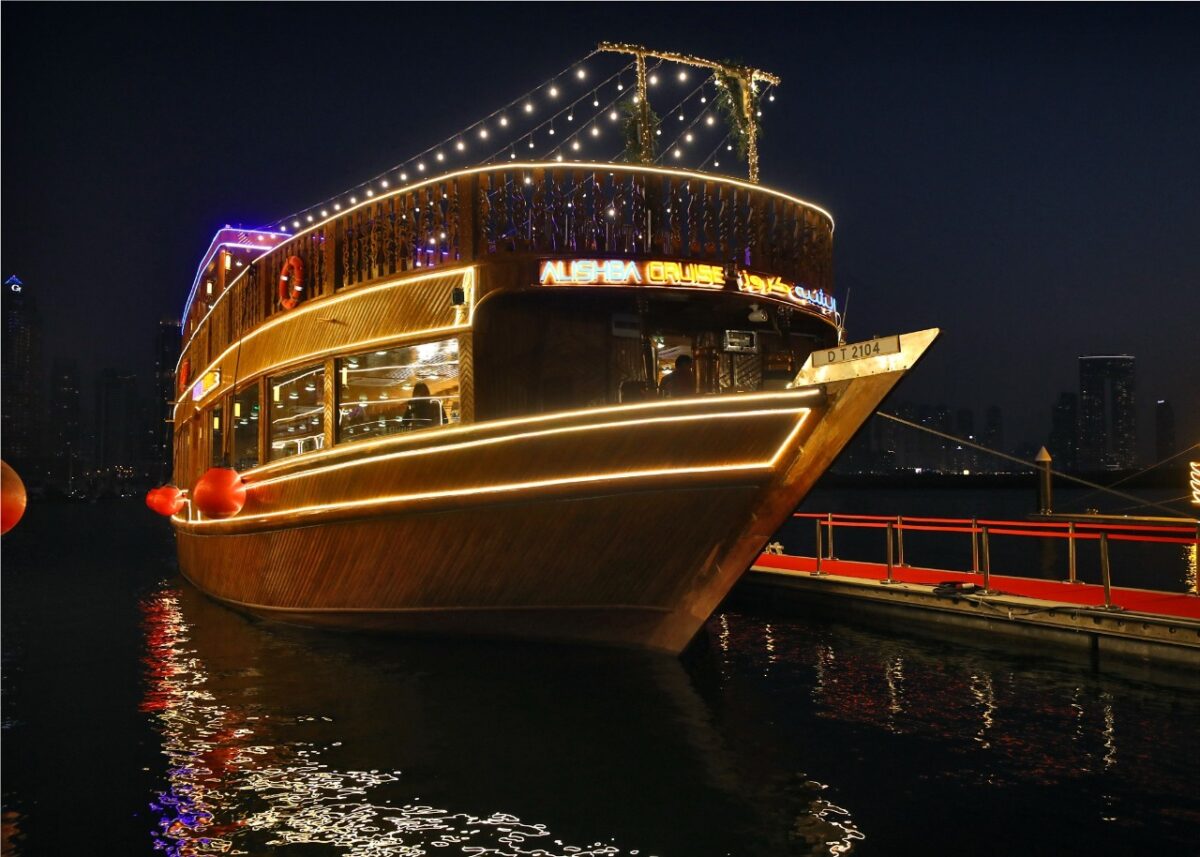
The traditional dhow cruise offers an experience steeped in culture and history. Tourists glide along tranquil waters, surrounded by luxurious skyscrapers and shimmering lights reflecting off the water. These wooden vessels are often adorned with intricate designs, providing a picturesque setting for dinner or sightseeing. The appeal lies not only in the views but also in the https://cruisedhowdubai.com/ opportunity to savor local cuisine while being serenaded by live music.
However, beneath this surface charm lies a more complex reality. Each cruise contributes to environmental challenges that compromise the very beauty visitors come to appreciate.
Environmental Footprint of Tourism
Tourism itself is a double-edged sword. While it generates substantial revenue and creates jobs, it also leads to increased carbon emissions, waste generation, and pressure on natural resources. The influx of tourists into Dubai Marina means higher demand for water, energy, and other essentials.
Cruises, particularly those operating on fossil fuels, amplify these effects. They release greenhouse gases into the atmosphere and contribute to air pollution within urban environments. Moreover, the noise generated by engines can disrupt marine life, affecting species such as dolphins and turtles that frequent these waters.
Water Pollution Concerns
One pressing issue associated with dhow cruises is water pollution. Discharge from boats can introduce harmful substances into the waterway. Wastewater from onboard facilities must be managed carefully; otherwise, it risks contaminating marine ecosystems vital for biodiversity.
Additionally, fuel spills or leaks can have disastrous effects on aquatic life. The delicate balance of Dubai's marine environment depends on maintaining clean waters; any disruption can result in long-term ecological damage. With increasing tourist numbers participating in dhow cruises—some estimates suggest millions every year—this potential impact cannot be overlooked.
Navigating Sustainability Challenges
Given these concerns surrounding environmental sustainability in tourism, how do we reconcile our desire for exploration with our responsibility toward nature? The answer lies in adopting sustainable practices that minimize harm while preserving cultural experiences.
Eco-Friendly Initiatives
In response to growing awareness around environmental issues related to tourism, many operators are beginning to implement eco-friendly initiatives within their services. Some of these practices include:
These initiatives reflect a growing understanding among cruise operators that sustainability is not just beneficial but necessary for long-term viability.
Community Engagement in Sustainable Practices
The role of local communities cannot be overstated when discussing sustainable tourism practices around dhow cruises in Dubai Marina. Engaging residents fosters a sense of ownership over their environment and empowers them to contribute actively towards its protection.
Local fishermen have invaluable knowledge regarding seasonal changes affecting marine life patterns; their insights can guide responsible cruising schedules which respect wildlife habitats during critical times such as breeding seasons or migration periods.
Moreover, involving residents allows for a broader dialogue about what sustainability means within specific contexts—be it conservation methods tailored specifically toward protecting coral reefs or measures taken against coastal erosion caused by increased boat traffic.
Balancing Economic Benefits Against Ecological Costs
While economic growth driven by tourism generates much-needed income for families across Dubai Marina’s neighborhoods—often reliant on income generated through dhow cruises—the ecological costs must also be factored into future planning decisions made by stakeholders involved with this industry.
Balancing profits against environmental impacts requires strategic foresight—a commitment from all parties involved including government agencies overseeing regulations governing maritime activities along coastlines frequented by tour boats—as well as private companies seeking profits through partnerships aimed at promoting responsible tourism opportunities within their offerings.
Innovations Shaping Future Cruises
Advancements in technology present further possibilities for reducing environmental footprints associated with cruising activities around Dubai Marina today—and beyond into tomorrow’s horizons too!
Innovative designs for eco-friendly vessels are emerging alongside developments like solar-powered engines capable of harnessing renewable energy sources efficiently without sacrificing passenger comfort levels enjoyed during leisure excursions taken aboard dhows either under sail power or motor propulsion systems designed specifically engineering-wise toward minimizing disturbance caused upon local wildlife populations inhabiting surrounding waterscapes nearby too!
The integration between tech solutions coupled alongside heritage preservation efforts promises exciting pathways forward if embraced collectively amongst stakeholders keenly aware regarding importance surrounding safeguarding natural resources whilst enriching visitor experiences alike!

Conclusion: Towards Responsible Cruising
Taking part in a dhow cruise at Dubai Marina offers an unforgettable glimpse into the region's culture and scenic beauty—but it should not come at the expense of our environment. By fostering sustainable practices within the cruise industry while engaging communities effectively throughout processes involved together—we pave pathways towards ensuring experiences shared remain enjoyable yet protective too!
Ultimately preserving what makes places like Dubai special necessitates collaboration across sectors; only then will future generations inherit vibrant landscapes teeming abundantly filled alive rather than diminished barren remnants left behind due recklessness previously unchecked!
As travelers seek fulfillment through exploration remember choices made today resonate far beyond mere moments spent onboard vessels gliding effortlessly across shimmering waters together—each decision shapes destinies unfolding tomorrow awaiting us all alike!